



-
NO LIMIT HAULING & DEMOLITION Team
-
 Commercial Services
-
 0 Comments
-
 July 2, 2026
Demolition Cost Calculator: Estimating Your Project’s True Expenses
Breaking Down the Numbers
When planning a teardown project, understanding the financial commitment is the first step toward making informed decisions. Many property owners underestimate the actual expense involved, only to encounter unexpected charges that derail their budget and timeline.
The price tag for removing structures varies significantly based on multiple factors. A small residential garage teardown differs drastically from a multi-story commercial building removal. In the Central Valley, where properties range from older agricultural buildings to modern commercial facilities, these variations become even more pronounced.
Structure size serves as the primary cost driver. Contractors typically charge per square foot, with rates ranging from $4 to $15 depending on materials and complexity. A 1,500-square-foot home might cost between $6,000 and $22,500, while larger projects can exceed $50,000.
Material composition affects both labor requirements and disposal fees. Wood-framed buildings generally cost less to dismantle than concrete or brick structures. The latter require specialized equipment and generate heavier debris, increasing hauling and landfill expenses.
Location accessibility plays a crucial role in pricing. Properties with narrow access roads or limited equipment maneuvering space require additional labor hours and smaller machinery, driving up overall costs. In established neighborhoods throughout the Central Valley, these access challenges are common considerations.
What Drives the Final Price
Beyond basic square footage, several variables significantly impact your project’s total expense. Recognizing these elements helps you develop a realistic financial plan and avoid budget surprises.
Hazardous material removal represents one of the most significant cost additions. Older structures often contain asbestos, lead paint, or contaminated soil that require specialized abatement procedures before any teardown work begins. Professional testing and certified removal can add $1,500 to $10,000 or more to your budget.
Permit and inspection fees vary by jurisdiction and project scope. Most municipalities require permits for structural removal, with costs ranging from $200 to $1,500. Some areas mandate engineering assessments or environmental impact studies, particularly for commercial properties or buildings near sensitive areas.
Utility disconnection is a frequently overlooked expense. Gas, electric, water, and sewer lines must be properly capped or removed by licensed professionals. These services typically cost between $500 and $2,000, depending on the number of connections and local utility company requirements.
Salvage potential can offset costs. Valuable materials like hardwood flooring, copper piping, vintage fixtures, or structural beams may be sold or donated. Some contractors offer reduced rates in exchange for salvage rights, potentially saving thousands on your project.
Seasonal considerations affect pricing in the Central Valley. Summer months bring increased demand for construction services, potentially raising labor costs. Conversely, winter weather occasionally delays outdoor work, though the region’s mild climate generally permits year-round operations.
Different Structures, Different Budgets
The distinction between residential and commercial teardown projects extends far beyond simple size differences. Each category presents unique challenges that directly affect pricing structures and planning requirements.
Residential projects typically involve single-family homes, garages, sheds, or accessory structures. These jobs generally cost between $4,000 and $25,000, with most homeowners spending around $12,000. The process is relatively straightforward, requiring standard equipment and fewer regulatory hurdles.
Home size and construction type determine residential pricing. A small 1,000-square-foot ranch-style house costs considerably less than a 3,000-square-foot two-story home with a basement. Foundation removal adds $500 to $3,000, depending on whether you need partial or complete extraction.
Mobile home removal presents a distinct category with specialized considerations. These structures often require different permits and disposal methods. Costs range from $3,000 to $8,000, including disconnection, transport, and proper disposal at approved facilities.
Commercial projects involve retail spaces, office buildings, warehouses, or industrial facilities. These jobs typically start at $15,000 and can exceed $100,000 for large or complex structures. Multi-story buildings require specialized equipment and extensive safety measures.
Commercial teardowns demand more rigorous planning and documentation. Environmental assessments, structural engineering reports, and dust control plans are often mandatory. Urban commercial sites require additional precautions to protect adjacent properties and maintain public safety.
Pool removal represents another specialized category common in the Central Valley. Inground pools cost between $4,000 and $12,000 to remove completely, while partial removal with fill-in runs $3,000 to $7,000. Concrete pools cost more than fiberglass due to breaking and hauling requirements.
Preparing for the Unexpected
Even well-planned projects encounter unexpected expenses. Building a contingency buffer into your budget protects against financial strain and project delays.
Site cleanup and debris removal represent significant ongoing costs. Standard contracts include hauling major structural materials, but fine grading, soil removal, or extensive landscaping restoration may incur additional charges. Budget an extra 10 to 20 percent for thorough site preparation.
Underground surprises frequently emerge during excavation. Old septic tanks, forgotten fuel storage tanks, or contaminated soil require specialized removal and disposal. These discoveries can add $2,000 to $15,000 to your project, depending on severity and regulatory requirements.
Neighboring property protection is essential in densely developed areas. Temporary fencing, protective barriers, or dust suppression systems may be necessary to prevent damage and maintain good relations. These measures typically cost $500 to $2,500, depending on site conditions.
Insurance and bonding requirements protect you from liability during the teardown process. Reputable contractors carry appropriate coverage, but verify these protections before work begins. Some municipalities require additional bonds for large projects, particularly in historic districts or environmentally sensitive areas.
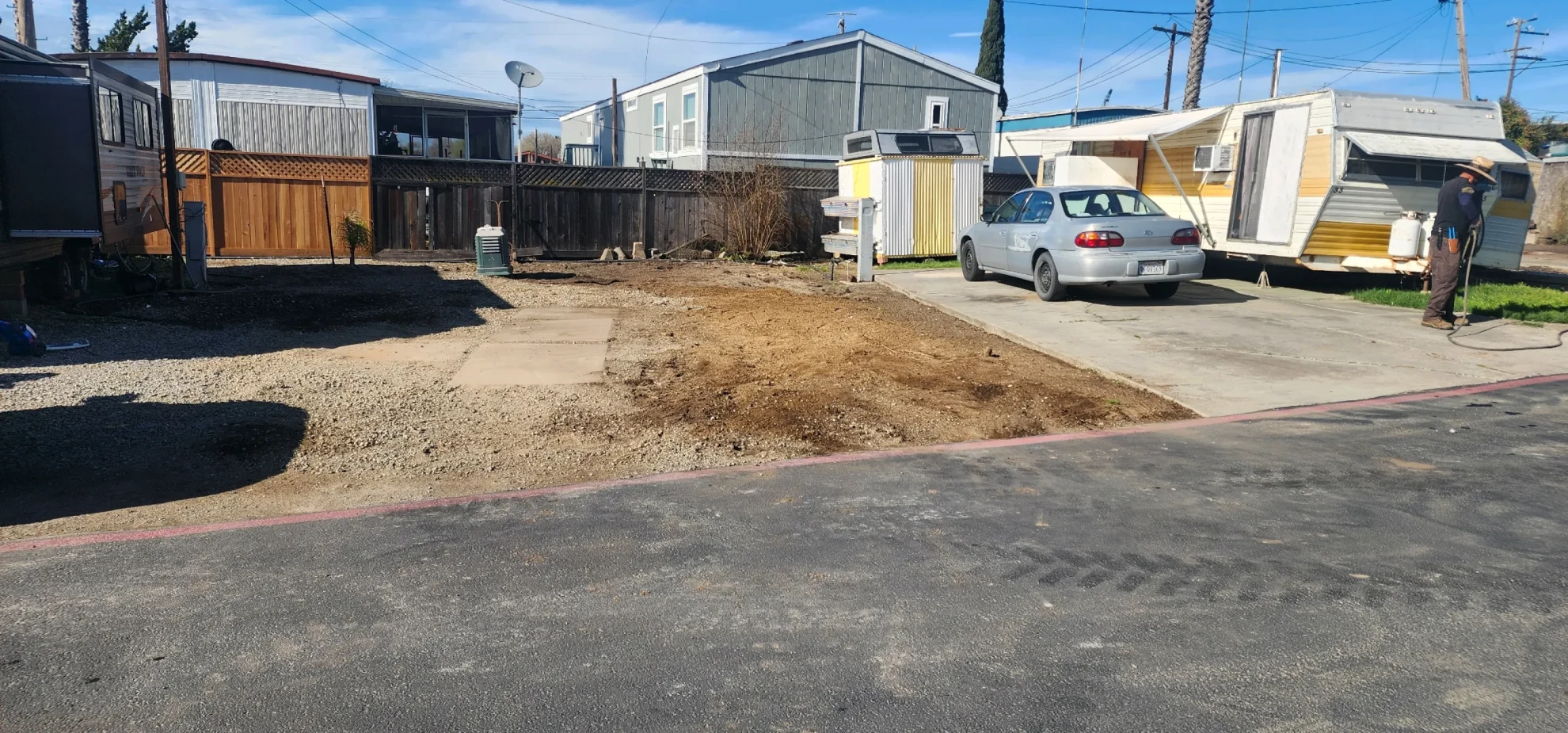
Post-removal grading and compaction prepare your site for future construction. Basic grading costs $500 to $2,000, while extensive earthwork for drainage correction or foundation preparation can reach $5,000 or more. Proper site preparation prevents future structural problems and drainage issues.
In the Central Valley, dust control is particularly important during dry summer months. Water trucks, soil stabilizers, or temporary barriers may be required to meet air quality standards. These measures add modest costs but prevent potential fines and neighbor complaints.
Making the Right Choice for Your Project
Selecting the right contractor makes the difference between a smooth project and a costly disaster. Professional teams bring experience, proper equipment, and regulatory knowledge that protect your investment.
Detailed estimates should itemize all costs, including labor, equipment, permits, disposal, and site cleanup. Vague quotes lacking specifics often indicate inexperience or potential hidden charges. Request written proposals from multiple contractors to compare pricing and scope.
Licensing and insurance verification protects you from liability and ensures quality work. California requires contractors performing work over $500 to hold valid licenses. Check credentials through the Contractors State License Board and verify current insurance coverage.
References and past project reviews provide insight into contractor reliability and quality. Ask for recent client contacts and visit completed job sites when possible. Online reviews offer additional perspective but should be considered alongside direct references.
Timeline estimates affect your overall planning and carrying costs. Experienced contractors provide realistic schedules based on project complexity, weather considerations, and permit processing times. Rushed jobs often result in safety shortcuts or incomplete cleanup.
NO LIMIT HAULING & DEMOLITION brings specialized knowledge to projects throughout the Central Valley. Our team handles everything from residential demolition to commercial demolition, providing transparent pricing and detailed project planning. We understand local permit requirements, environmental regulations, and site-specific challenges that affect costs and timelines. Our services extend beyond structural removal to include concrete demolition, mobile home removal, and property cleanup, ensuring your site is ready for the next phase of development.
Payment structures vary by contractor and project size. Some require deposits before work begins, with progress payments tied to completion milestones. Others offer financing options for larger projects. Understand payment terms before signing contracts and never pay the full amount upfront.
Contract clarity prevents disputes and ensures both parties understand expectations. Written agreements should specify scope of work, materials included, timeline, payment schedule, and cleanup responsibilities. Review contracts carefully and ask questions about any unclear provisions before signing.
